
“We’ve got the diagnosis… now what?”
When your child is diagnosed with ADHD, one question rises fast:
“How can we actually help our child?”
As a Psychotherapist who supports neurodivergent children and families every week, I want to start here — your child’s brain isn’t broken. It just runs on a different kind of fuel.
My role is to help families translate brain science into everyday strategies that bring more calm, connection, and confidence at home.
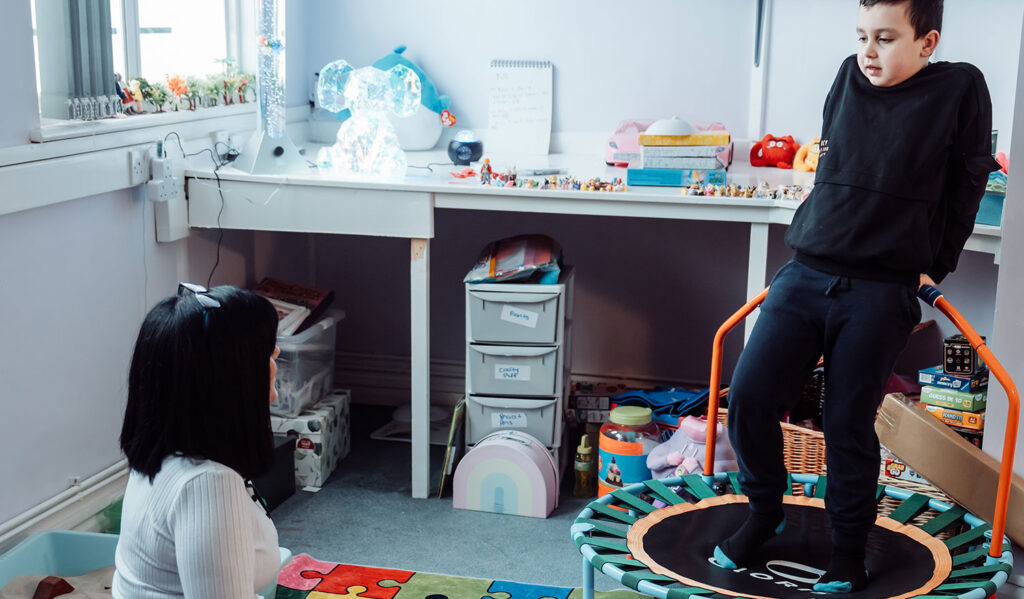
Meet Nora and Dora — Your Child’s Chemical Co-Pilots
Two key brain messengers — noradrenaline (Nora) and dopamine (Dora) — help us focus, start tasks, and feel motivated.
- Nora wakes up the brain and keeps energy steady through effort.
- Dora sparks curiosity, fun, and reward — she’s why novelty feels magnetic.
In ADHD, Nora and Dora often run on a lower baseline. That’s why mornings can feel like trudging through mud, and why your child suddenly lights up for something they love.
When children learn about Nora and Dora, they often feel relief — their brain isn’t faulty, it’s simply wired differently. Together, we learn how to wake Nora up and invite Dora to dance.
Why Mornings Are Hard for Children With ADHD (and How to Help Nora Wake Up)
When the alarm goes off, Nora is often still snoozing.
The ADHD brain’s arousal system takes longer to kick in.
Try a movement burst — a silly dance, star jumps, or a mini boogie while brushing teeth — to get dopamine and energy flowing. Psychotherapists call this bottom-up regulation: using the body to help the brain.
Other ways to help Nora wake up:
- Warm light and upbeat music in the morning
- Protein-rich breakfast
- Connection before correction — start the day with warmth, not demands
Motivation Looks Different in an ADHD Brain
An ADHD brain isn’t lazy — it’s interest-based, not importance-based.
Tasks that are exciting, relational, or urgent flick Dora’s switch.
“Because you have to” doesn’t.
Try building interest into structure:
- Pair dull tasks with music, a timer, or company (“Let’s race the clock!”)
- Offer choices: “Maths with highlighters or maths with your playlist?”
- Add novelty: new pens, a silly voice, or a short game first
You’re not making things too easy — you’re creating the conditions for dopamine to flow.
When Attention Wanders — Understanding the ADHD Brain Networks
Inside every brain, three networks take turns steering attention:
- Default Mode Network (DMN) — daydreaming, imagination, self-talk
- Central Executive Network (CEN) — focus, planning, doing
- Salience Network (SN) — the switchboard that decides what matters
In ADHD, the “switchboard” can be sticky. The brain gets caught in imagination or hyperfocus and struggles to switch tasks.
You can help by:
- Using visuals and timers to mark transitions
- Giving five-minute warnings before change
- Adding movement breaks between tasks
These techniques help the Salience Network reset, allowing smoother transitions.
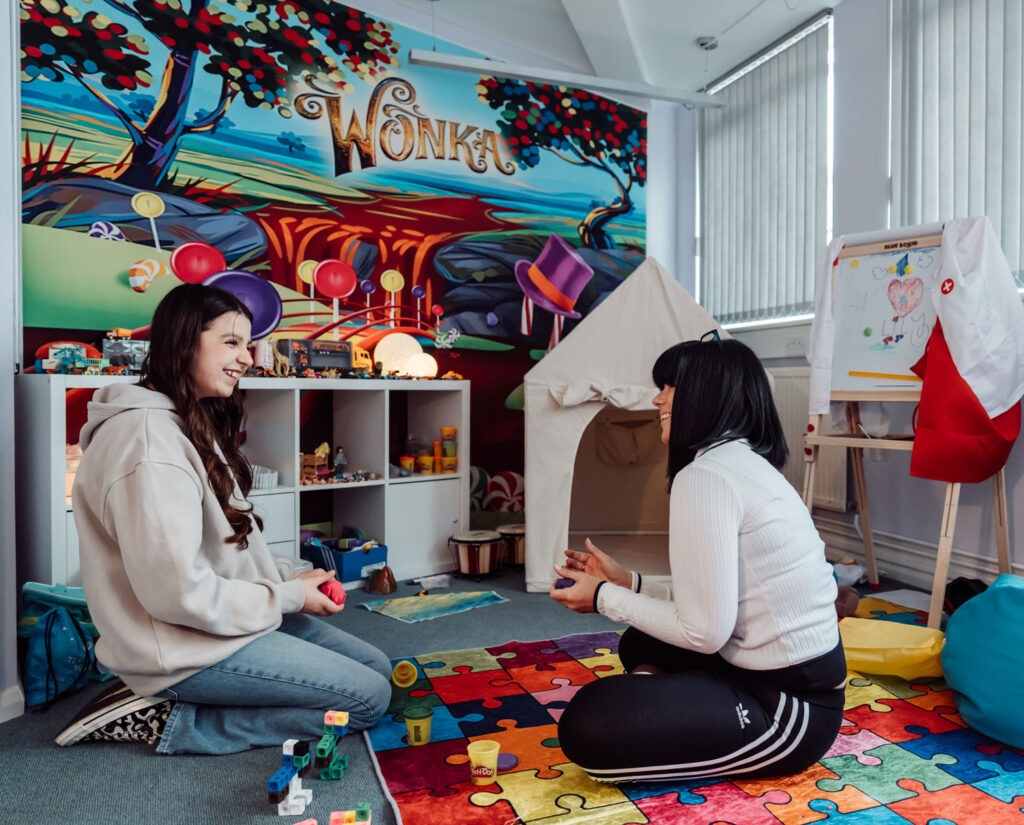
When Stress Takes Over — Managing Emotional Overload
Stress spikes Nora fast — sometimes too fast. That’s when meltdowns, anger, or tears appear. The message is simple: “Too much!”
To calm Nora again:
- Lower your voice and slow your breathing
- Offer rhythm or grounding: hand squeezes, rocking, humming
- Don’t reason mid-storm — wait for calm, then reconnect
A Psychotherapist reframes these moments as protection, not defiance.
Your child’s nervous system is doing its best to stay safe.
How to Nurture Dora’s Spark Every Day
Dora thrives on small wins and instant feedback. You can help by:
- Praising effort, not just results — “You started even though you didn’t feel like it.”
- Setting micro-goals and quick rewards — stickers, screen breaks, dance breaks
- Celebrating completions — ADHD brains often miss that sense of closure
Many families create a simple “dopamine menu” — a list of quick, healthy rewards that motivate without overwhelm.
The After-School Crash: Why It Happens and How to Support It
All day, your child’s Nora and Dora are working hard to stay regulated.
By home time, their fuel tank is empty.
Expect the wobble. Plan for it:
- Snack and screen time on purpose for 30–45 minutes
- No big conversations or demands straight away
- Later, add a calming ritual — walk, bath, trampoline, or music
When you expect the dip, you can meet it with compassion, not surprise — a shift that changes everything.
Why These Approaches Work in the ADHD Brain
- Movement, music, laughter → boost dopamine and wake Nora
- Predictability and structure → lower noradrenaline spikes and help the brain feel safe
- Connection and warmth → settle the emotional brain so focus returns
- Visuals, routines, and prompts → support the Central Executive Network (“the doing system”)
Psychotherapy turns this science into practice: less pressure, more connection.
When the body is regulated, the brain becomes available to learn and connect.
A 7-Day Starter Plan for Parents
Day 1: Morning boogie — two songs while getting dressed
Day 2: Visual “Now / Next” after school
Day 3: Five-minute homework starter with body-doubling
Day 4: Praise one micro-win
Day 5: Add an interest hook to a dull task
Day 6: Practise your calm-down script during a minor wobble
Day 7: Family check-in — what helped Nora and Dora most?
Final Thought
Your child’s brain isn’t defiant — it’s delicate and dynamic, wired for curiosity, movement, and connection.
When you work with Nora and Dora rather than against them, family life feels smoother, calmer, and more joyful.
If you’d like guidance tailored to your family, get in touch to learn how Psychotherapy can help you and your child thrive with ADHD.
With warmth,
Claire x